

Grow with Ease: Using Native Plants for Low-Maintenance Gardens

Chosen theme: Using Native Plants for Low-Maintenance Gardens. Welcome to a friendly, inspiring home for gardeners who want beauty without burnout. Explore how local species reduce chores, save water, and invite wildlife. Subscribe for fresh ideas, and share your region so we can celebrate plants that already love your climate.

Why Native Plants Mean Less Work

Because native plants are tuned to the rhythms of your rainfall, heat, and frost, they generally need less supplemental watering and coddling. A friend in a windy prairie town swapped thirsty exotics for natives and watched summer stress disappear while weekend chores shrank.

Why Native Plants Mean Less Work

Local plants host beneficial insects and birds that keep pests in check, reducing the need for sprays. When you grow what belongs, the food web responds. Share your most surprising beneficial bug sighting, and let’s map our collective backyard allies together.

Designing a Low-Maintenance Native Garden

Combine canopy trees, mid-story shrubs, and groundcovers so living layers shield soil, outcompete weeds, and provide year-round presence. Repeating dependable native anchors calms the design. Post a sketch of your layers, even a quick doodle, and we’ll applaud your living architecture.

Designing a Low-Maintenance Native Garden

Match sun, shade, and moisture to each native’s preferences. Dry slopes like deep-rooted prairie species, while dappled corners suit woodland edge plants. Observe before you dig; then plant to strengths. Which tricky corner of your yard needs a native problem-solver today?

Water-Wise Strategies With Natives

Guide roof runoff into shallow basins planted with moisture-tolerant natives that can handle occasional flooding. These features slow water, filter pollutants, and recharge soil. Have a downspout? Tell us its length and slope, and we’ll brainstorm a native-filled catchment.

Water-Wise Strategies With Natives

Leaf litter and shredded wood mimic forest floors, protecting roots and feeding soil life. As natives mature, living mulches of groundcovers take over, cutting weeding dramatically. Share what you use for mulch, and we’ll suggest native groundcovers that can eventually replace it.

Wildlife Wins in Native, Low-Maintenance Gardens

Bees, butterflies, and hoverflies recognize native blooms by shape and timing. Plant in generous clumps, and watch traffic spike without handholding. A child once counted twenty monarchs on native milkweed after school; that memory turned into a family tradition. Share your first bloom visitor.

Start Small: A Simple Native Conversion Plan

Watch sun patterns, note wet spots, and list existing plants. Decide what stays and what goes. Set one clear goal, like replacing a thirsty strip with drought-tolerant natives. What thirty-minute task can you commit to this weekend? Post it and we’ll hold you accountable.

Start Small: A Simple Native Conversion Plan

Smother turf with cardboard, soak, and top with compost and mulch. Wait several weeks, then plant through layers. It’s low effort and chemical free, perfect for native conversions. Share your before photo and timeline; we’ll feature inspiring transformations in upcoming newsletters.

Maintenance That Feels Like Enjoyment

01
Tackle weeds in short, strategic windows during spring emergence and after rains. Dense native groundcovers close gaps, stopping most invaders. Share your toughest weed, and we’ll crowdsource native groundcover allies that shade it out and shrink your workload dramatically.
02
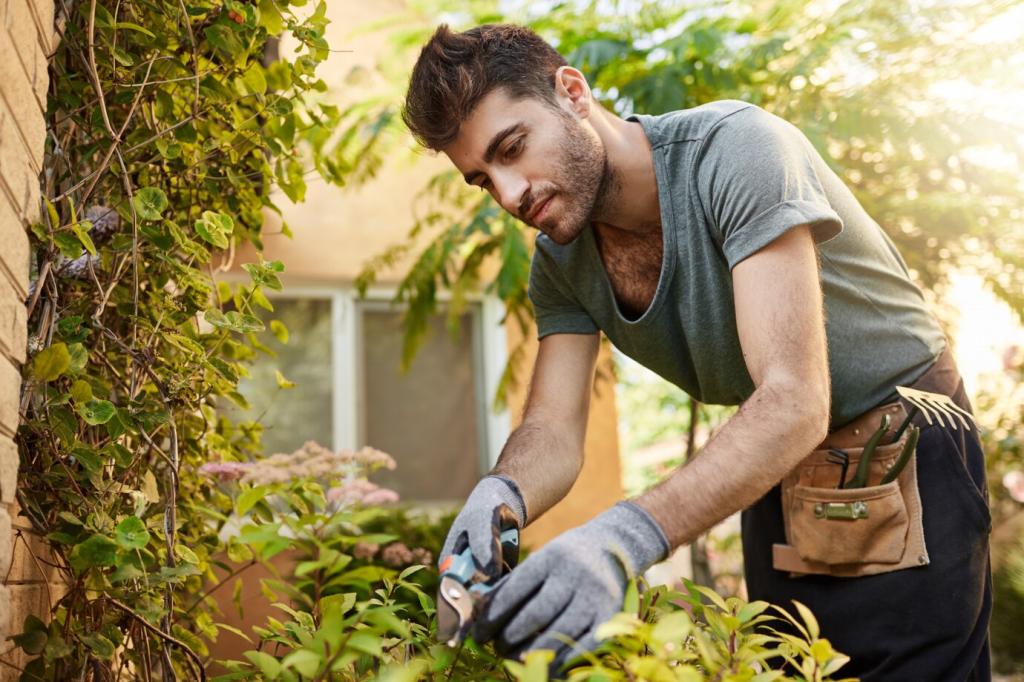
Cut back perennials in late winter, leaving some stems for overwintering insects. Shape shrubs after bloom, not on a fixed calendar. These simple rhythms protect wildlife and save time. Which plant confuses you most about timing? Ask, and we’ll offer a gentle native-focused plan.
03
Fallen leaves feed soil, shelter larvae, and mulch beds for free. Rake only from paths and lawns; tuck the rest under natives. You’ll reduce bags, boost fertility, and help wildlife. Tell us how many bags you eliminated last fall and inspire someone nearby.

Stories and Community Inspiration

Maya replaced a patchy lawn with a small native meadow, mixing grasses and summer bloomers. She spent two weekends installing and now spends minutes, not hours, maintaining. Butterflies arrived first, then birds. Have a similar story brewing? Tell us what you’re planting this month.
Growthfactoryperks
Privacy Overview

This website uses cookies so that we can provide you with the best user experience possible. Cookie information is stored in your browser and performs functions such as recognising you when you return to our website and helping our team to understand which sections of the website you find most interesting and useful.