Beginner-Friendly Landscape Design Tips: Start Beautiful, Start Small
Chosen theme: Beginner-Friendly Landscape Design Tips. Welcome to a gentle, practical path toward transforming your yard. With clear steps, real-life stories, and easy wins, you’ll design with confidence and enjoy the process from day one.
Choose a standout element—a colorful container, small tree, or bench—and frame it with softer plantings. Our reader Maya placed a cobalt pot near her steps; mail carriers and friends still compliment it months later.
Check sun needs, cold-hardiness zone, and moisture preference for each plant. If a plant thrives next door, it might thrive with you. Share your shortlist and we’ll cheer your choices and suggest friendly companions.
Planting Made Simple for Beginners
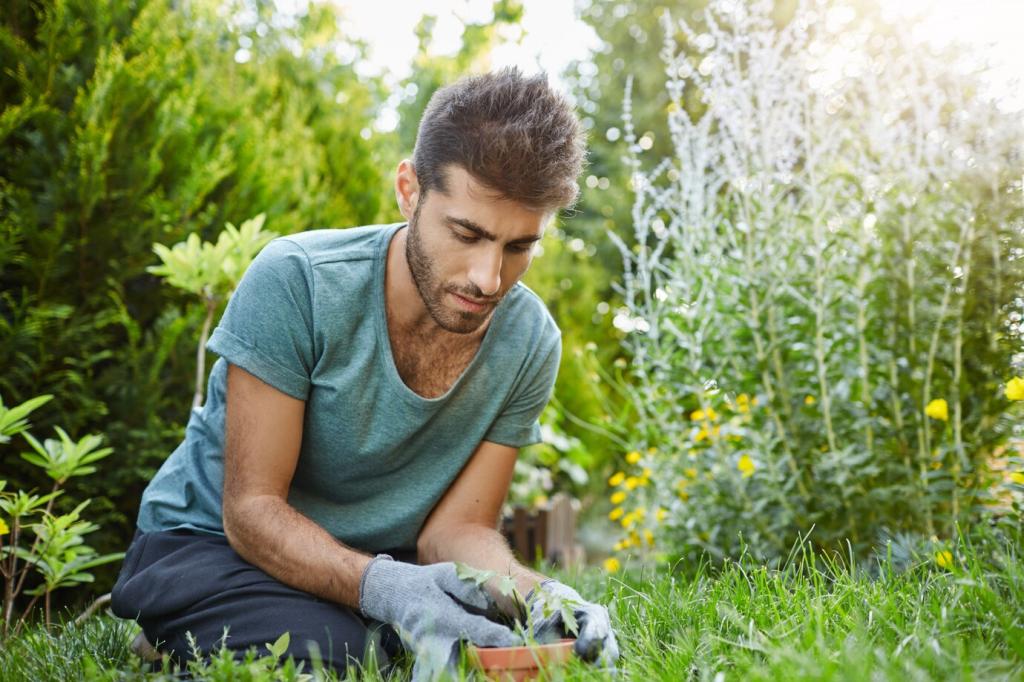
Create a backdrop of small trees or tall shrubs, a middle layer of flowering shrubs, and a front edge of perennials and groundcovers. Layers soften edges and invite lingering, even on rushed weekday evenings.
Easy Hardscapes and Edging
Paths You’ll Actually Use
Follow desire lines—the routes you already walk. A comfortable path width and gentle curves feel welcoming. Reader Evan simply widened his hose route, and the new gravel path made daily watering pleasantly effortless.
Clean Edges, Calm Beds
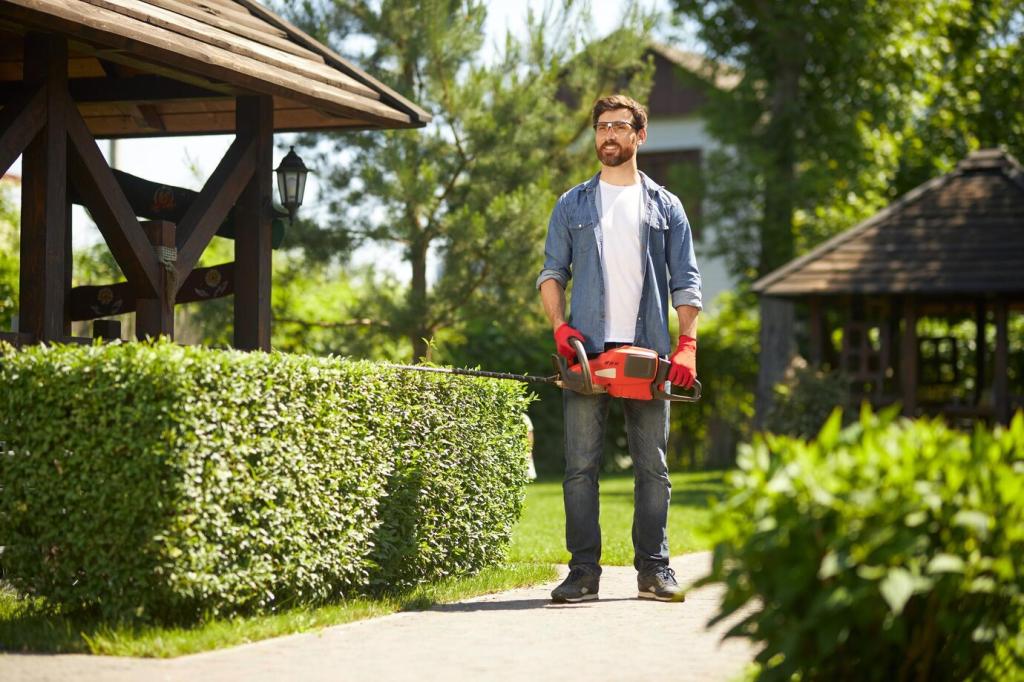
Steel or brick edging creates crisp lines that contain mulch and simplify mowing. A shallow spade-cut edge works beautifully too. Share which edge you try, and we’ll offer tips for tidy, long-lasting corners.
A Small Patio or Nook, Big Reward
Lay a compact seating pad with compacted gravel and pavers, leaving a slight slope for drainage. Add one chair and a lantern. That tiny perch turns evening breezes into an invitation to stay outside longer.
Budget-Friendly Starts and Quick Wins
Phase Your Project with Confidence
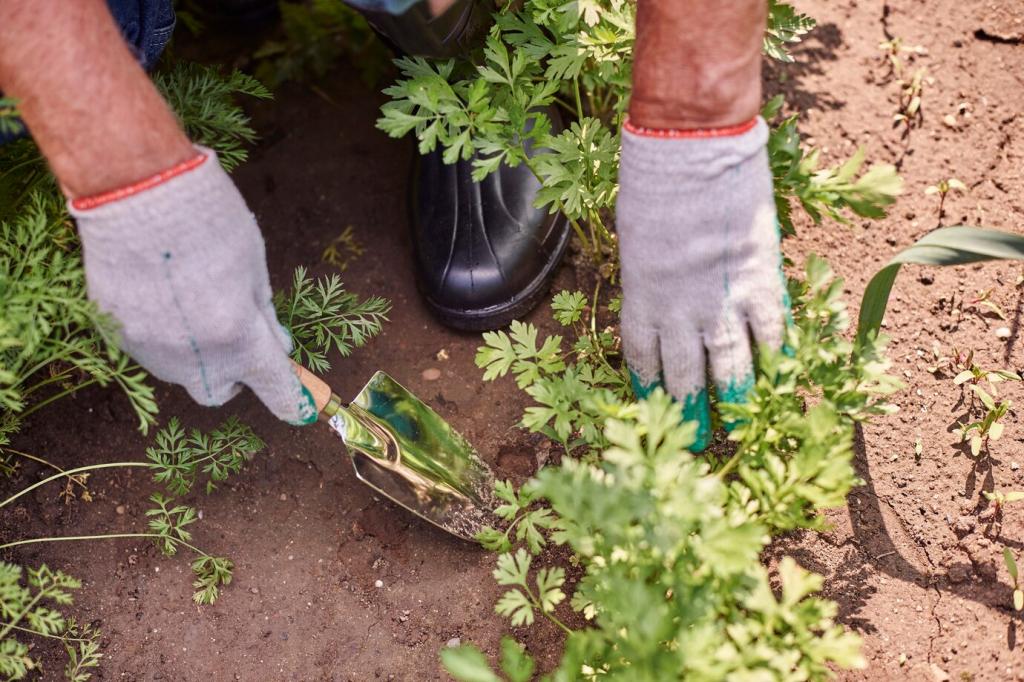
Tackle one bed at a time: edge, amend, plant, and mulch. Enjoy each finished step before starting the next. Tell us your first target area, and we’ll suggest a simple, motivating sequence to follow.
Free Plants, Real Community
Divide perennials, root cuttings, and visit neighborhood plant swaps. Many beginners meet mentors this way. Share what you scored—hostas, daylilies, or herbs—and we’ll help you place them beautifully for quick impact.
Compost: The Quiet Powerhouse
Start a small bin with leaves, kitchen scraps, and yard clippings. Compost builds structure, feeds soil life, and saves money on fertilizers. Ask questions about smell or moisture; we love troubleshooting new heaps together.